Vampire appliances suck over £200 worth of energy a year
23/10/2026



Reviewed by: Helen Rolph
Home, Travel & Pet Insurance Expert
Written by: Katie Gawley
Insurance Content Writer
Fact-checked by: Quotezone Editorial Team
This content follows our Editorial Guidelines
Last Updated: October 2026
Read time: 5 min
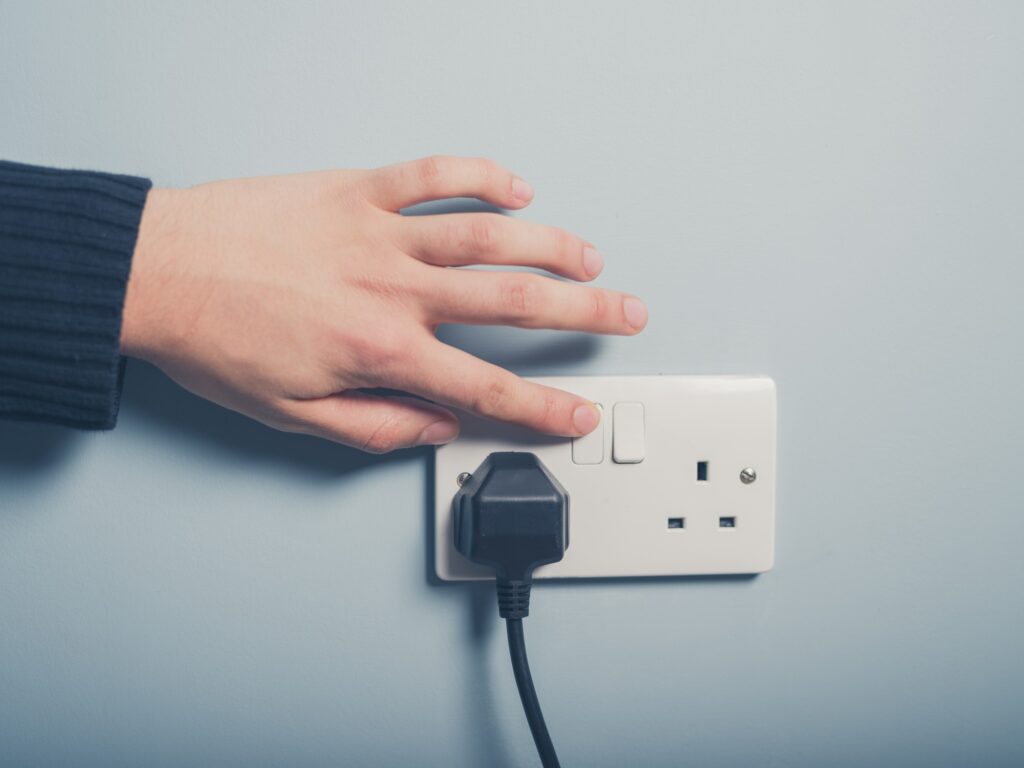
Households are warned of the “vampire appliances” lurking in their homes, as new research reveals everyday devices left on standby could cost more than £200 a year.*
Experts at Quotezone.co.uk have named 13 expensive appliances that Brits commonly leave plugged in, as the energy price cap increases to 26.32p per kWh this month.**
A survey by Quotezone.co.uk found over half of Britons (51%) rarely or never switch larger appliances off at the plug. Research suggests households waste between 5% and 16% of their energy through standby power.*
Wi-Fi routers top the list at £34.80 a year, and while they are designed to stay on to maintain an internet connection, switching them off when a property is empty for several days could help reduce unnecessary energy use.
Televisions are the second most expensive appliance to leave on standby, costing £32.70 a year, followed by set-top boxes at £26.70.
Microwaves also rack up costs, with their clocks and sensors adding an estimated £23.20 a year, while games consoles cost £17.20 as they remain connected for updates and downloads.
At the other end of the list, laptops and coffee machines have a relatively small annual standby fee, but they are potentially used by more homes now with the increased popularity of work from home.***
Although these individual costs are low, the research takes into account items that are commonly used in UK homes, with a combined annual expense across all 13 appliances coming to around £213.
Helen Rolph, energy savings expert at Quotezone.co.uk, said: “Our survey found that more than half of Britons rarely or never switch larger appliances off at the plug, meaning the majority of households could be wasting energy without realising it.
“Standby mode is easy to forget because it’s quietly ticking away in the background, but with the price cap rising by 4% this month, it all adds up. Switching off at the wall is one of the simplest ways to cut bills.
“When it comes to household chores, there are easy wins in the kitchen, with the dishwasher, washing machine and tumble dryer needlessly draining £23.40 a year when not in use, money that could be better spent elsewhere.
“Some devices, like routers, are designed to stay on, but others, like TVs, games consoles and microwaves, can safely be switched off when not in use.
“It’s also worth checking for ‘instant on’ modes too, as these keep devices in a power-hungry state all day.
“Adding a ‘switch off’ policy before bed to include a few additional appliances may seem like a small step but it could lead to substantial savings in the long run and help take the pressure off other household bills.”
13 expensive vampire appliances on standby, that could save you £213.32:
- Wi-Fi router – £34.80 a year. Built to stay on, but worth switching off if you’re away for several days.
- Television – £32.70 a year. Even when the screen is dark, TVs keep drawing power for remote and update functions.
- Set-top box – £26.70 a year. Boxes stay in a ready state for recordings and updates.
- Microwave – £23.20 a year. The clock and sensors run all day and consume energy unnecessarily.
- Games console – £17.20 a year. Consoles in standby can stay connected for updates and downloads.
- Computer – £15.80 a year. Fully shutting down the computer at the end of the working day can help cut unnecessary consumption.
- Smart speakers and smart home devices – £13.90 a year. They’re always listening, so always drawing power.
- Electric shower – £12.60 a year. The control unit keeps drawing power between showers, they normally have a pull-chord in the bathroom to switch them off completely when not in use.
- Dishwasher – £9.80 a year. Once the washing cycle has finished, leaving the dishwasher on standby can contribute to unnecessary energy use, so switch it off when it’s not being used.
- Laptop – £7.32 a year. With work from home still a popular choice, laptops may be left on standby overnight and all weekend long, wasting energy.****
- Tumble dryer – £6.80 a year. While it doesn’t cost a lot to leave your tumble dryer on standby, it’s a cost you can easily avoid.
- Washing machine – £6.80 a year. Same as the dryer, getting into the habit of switching off daily could help build savings.
- Coffee machine – £5.70 a year. With more people installing home offices, the coffee pot could potentially be left on standby throughout the working week.
For savings on household bills and essentials, such as energy bills or home insurance, price comparison site Quotezone.co.uk can help.
References:
*Standby energy costs were recalculated by Quotezone.co.uk at 26.32p per kWh, and rounded up to the nearest 10p:
https://www.clearscore.com/learn/managing-money/Save-energy-bills-standby-vampire-devices
**Ofgem energy price cap: https://www.ofgem.gov.uk/your-energy-supply/your-energy-bill/energy-price-cap-unit-rates-and-standing-charges
***Hybrid working increase -https://www.ons.gov.uk/employmentandlabourmarket/peopleinwork/employmentandemployeetypes/articles/whohasaccesstohybridworkingreatbritain/latest
****Additional items standby costs – https://www.which.co.uk/news/article/how-much-does-it-really-cost-you-to-leave-your-tech-on-standby-a9Elw3D3HKUR
*****https://niceic.com/views/standby-power-the-hidden-costs-of-%E2%80%98vampire%E2%80%99-devices/
Survey findings are based on a randomised survey of 1,000 respondents across the UK in October 2026, which represents a margin of error of approximately 5% at a 95% confidence level.
Photo credit – iStock.com lolostock
This article is intended as generic information only and is not intended to apply to anybody’s specific circumstances, demands or needs. The views expressed are not intended to provide any financial service or to give any recommendation or advice. Products and services are only mentioned for illustrative rather than promotional purposes.