Simple admin error could see missing pups struggle to return home
20/11/2026



Reviewed by: Helen Rolph
Home, Travel & Pet Insurance Expert
Written by: Katie Gawley
Insurance Content Writer
Fact-checked by: Quotezone Editorial Team
This content follows our Editorial Guidelines
Last Updated: November 2026
Read time: 5 min
Losing a pet is heart-breaking, thankfully statistics show the number of stray dogs across the UK is starting to decline. However, of those that are now in council care, fewer are being reunited with their families.
The latest report from pet charity Dogs Trust estimated that 31,644 dogs were handled by local authorities across the UK during 2024-25, that’s more than 2,000 fewer than the year before.*
Worryingly though, only 38% were reunited with their owners, the lowest figures since records began nearly 30 years ago. Across 2020-21, the number of pups reunited was up at 68%.*
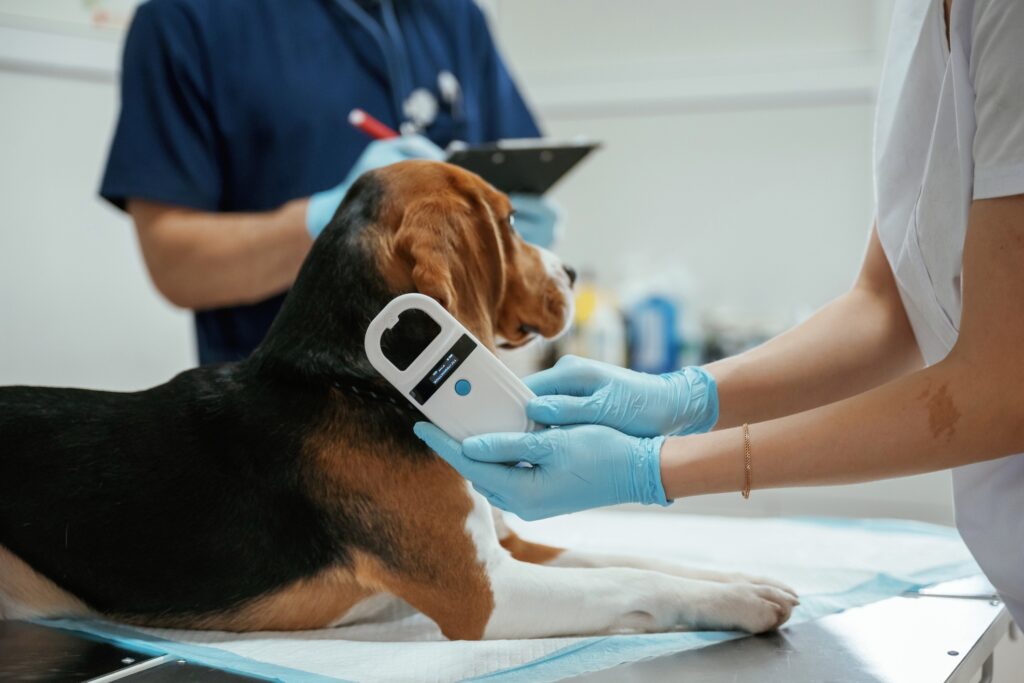
A key reason could be as simple as an admin error. More than half (56%) of dogs with microchips were said to have inaccurate or out-of-date information. Only 31% of chipped dogs had correct owner details, and 12% had chips that weren’t registered.*
All dogs in the UK must be microchipped by the time they’re eight weeks old – or owners could face a fine of up to £500.** In England, owners caught without a microchip will normally have 21 days to have one implanted.***
Pet insurance expert Helen Rolph from Quotezone said: “It’s really positive to see 2,000 fewer dogs lost or handed over to the authorities.
“It could be that the Pet Abduction Act which came into force in England and Northern Ireland in August 2024, is helping to improve animal safety. The law makes pet theft a specific criminal offence resulting in up to five years in prison, a fine, or both.****
“It is concerning however to see the numbers of those being reunited decreasing. It’s really important for pet owners to get their furry friends microchipped and double check those details are accurate.
“Over half of the microchipped dogs in the survey had incorrect information on their microchip, making it difficult to trace where the pup should be returned. Also, if a pet isn’t microchipped properly, it could invalidate pet insurance cover, so it’s vital to double-check all is in order.
“There are also additional safety measures pet owners can take. Digital ID tags for example, allow anyone who finds the dog to scan the QR code and get in contact with the owners directly.
“It is worth researching what tracking devices are currently available and making sure pet insurance details are all up to date, to give peace of mind that the pet is well protected. This is especially important in the run up to Christmas when many families may be looking to adopt a new pet or buy a new collar as a gift.”
Six tips to help your pet get home safely:
1.Be prepared. Make sure your pet is microchipped and check the details now to ensure they are still accurate. House moves and phone changes could easily be forgotten.
2.Search. The first hour after your pet goes missing is critical. Search the immediate area as quickly as possible, asking neighbours to check sheds and garages – consider starting a WhatsApp group.
3.Tell. The microchip database the pet is registered with, local vets, rescue centres and the local council all need to be informed immediately, so divide up tasks and have another person help with these important phone calls.
4.Spread. Spread the word with recent photos and a lost-pet poster on safe and credible local social media channels.
5.Be careful. Respond carefully when someone says they’ve found your pet – some people may try to take advantage of the stressful situation, be sure to ask specific details about your pet and don’t give key information away before they do. Arrange a public place to meet and bring a friend or family member with you.
6.Report. If you think your pet has been stolen, report it to the police and check your pet insurance details. The insurance company may be able to assist with advertising costs and rewards to help find your pet. Seven in ten pet owners who had a pet go missing didn’t have pet insurance at the time.*****
Pet tracking expert, Steve Chowns, Founder of Taggzi comments: “When a dog is lost, timing is everything and getting that pup home normally depends on how easily they can be identified, making it so important that owners’ contact details are up to date and readily accessible. A microchip is essential, but it only helps once a dog has been taken to a vet or rescue centre to be scanned.
“A smart ID tag works alongside it. Anyone who finds the dog can tap or scan the tag with their phone and contact the owner straight away, with no app needed. And because owners can update their details online whenever they change, a house move or a new phone number doesn’t leave the tag out of date.”
As a price comparison site, Quotezone lets people compare products and prices side by side – helping millions of people every year find savings on pet insurance including pet insurance for pre-existing conditions and multiple pet insurance for all the family.
References:
Dogs Trust Survey – data came from 216 councils, around 60% of the UK’s 361, so the UK total is modelled – *https://www.dogstrust.org.uk/downloads/Stray-Dog-Survey-2025.pdf
**https://www.gov.uk/get-your-dog-cat-microchipped
***13 (2) (a) – https://www.legislation.gov.uk/uksi/2023/468/made
****https://www.daera-ni.gov.uk/news/muir-welcomes-introduction-new-pet-abduction-offences-northern-ireland
*****Which? Survey of 822 pet owners in February 2024, 253 of whom had a pet go missing – https://www.which.co.uk/news/article/can-pet-insurance-help-if-your-pet-goes-missing-aNb2w2Z84xzx
Photo credit – iStock.com standret
This article is intended as generic information only and is not intended to apply to anybody’s specific circumstances, demands or needs. The views expressed are not intended to provide any financial service or to give any recommendation or advice. Products and services are only mentioned for illustrative rather than promotional purposes.