Warning as neighbours could be causing damp in your home
16/10/2026



Reviewed by: Helen Rolph
Home, Travel & Pet Insurance Expert
Written by: Stephen Gamble
Insurance PR Writer
Fact-checked by: Quotezone Editorial Team
This content follows our Editorial Guidelines
Last Updated: October 2026
Read time: 5 min
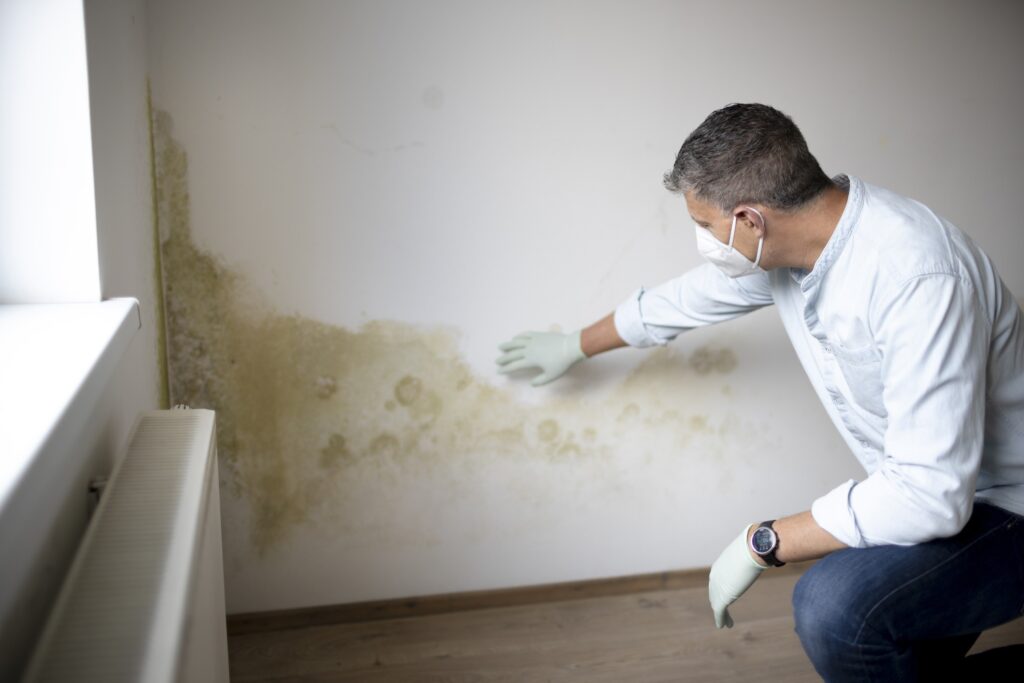
Homeowners are being warned that unexplained damp and mould in the home could be coming from their neighbours.
Home insurance experts at Quotezone.co.uk say moisture from leaks, plumbing, gutters and shared walls can sometimes seep between neighbouring properties – potentially causing structural rot and toxic mould growth.
Earlier this year, the Government reported 1.4 million households have a problem with damp, that’s approximately 6% of homes in England.* If left untreated, damp can cause mould to grow and lead to serious health issues including respiratory problems and asthma.**
Penetrating damp is one of the main causes of damp and mould in the home.*** This is when water enters a property through walls, roofs or other areas due to issues such as damaged brickwork, cracked walls, faulty gutters or leaks.
In some cases, these issues can be caused by a neighbouring property which can make it difficult for homeowners to identify where the problem is originating from.
The experts say that if there are no obvious issues in the home that are causing damp, Brits should look out for moisture suddenly appearing on a shared wall, water stains that worsen after rainfall or signs of leaks and plumbing incidents with the neighbouring property.
Checking properties now in preparation for storm season is crucial – 17% of households in England (4.3 million) reported noticing new moisture damage after intense rain or a storm in the past year.*
Helen Rolph, home insurance expert at Quotezone.co.uk said: “While some damp issues are relatively easy to spot, others can originate from adjoining properties and leave homeowners wondering who is responsible.
“If damp, water or damage appears to be coming from a neighbouring home, it’s crucial to take photographs and keep a record of when the problem started. Homeowners should double-check the insurance policy and chat to the insurer as soon as they notice an issue.
“When the damage is coming from someone else’s property, it can be a tricky topic to discuss. The hope is that the neighbour is understanding and either pays for the damage or claims off their insurance to fix the problem and cover the repairs needed for all parties.
“If a neighbour refuses to fix the problem and repair the damage, local councils could help under the Environmental Protection Act – provided one property is causing a nuisance to another and the issues reach a certain threshold.** It’s also possible to seek help from registered mediators who may be able to resolve the situation.****
“If claiming off the neighbour’s insurance isn’t an option, standard home insurance could cover damage caused by a neighbour, but homeowners need to be aware that claiming off their own policy may cause them to lose their no-claims bonus and potentially increase future premiums.”
Five neighbour problems that could be causing damp in the home:
Poorly maintained gutters
Blocked and poorly maintained gutters can cause rainwater to overflow and run down the outside of a building instead of being carried away. If this repeatedly soaks the external walls of your home, the brickwork may slowly become saturated and water could eventually make its way inside, leaving damp patches.
Overgrown plants or climbing vegetation against walls
If a neighbour’s trees, shrubs or climbing plants are growing tightly against your external wall, they can trap moisture after rainfall and prevent the wall from drying out properly. The roots from climbing plants can also damage brickwork over time, giving water an easier route into the wall, potentially leading to damp indoors.
Leaks from a neighbouring extension or building
If your neighbour’s extension, conservatory or other adjoining building has an issue like a leaking roof or gutter, rainwater can get into the area where the buildings meet. If left untreated, the water can pass through and appear as damp on the inside of your home.
Vacant or poorly maintained properties
In homes that are left empty for a long period of time, problems like broken pipes or damaged roofs can go unnoticed and unrepaired. Rain can then enter or build up around the property, affect adjoining walls and potentially spread moisture into your home.
Leaking pipes or plumbing issues
A leaking pipe, boiler or other plumbing issues near a shared wall can cause water to seep into brickwork or plaster and through to the other side. If the leak goes undetected, the wall may stay damp for long periods of time which can cause staining, peeling paint and mould growth.
Quotezone.co.uk helps over 4 million customers every year compare prices on household essentials, including home insurance.
References:
*https://www.gov.uk/government/statistics/english-housing-survey-2024-to-2025-perceptions-and-impacts-of-housing-quality/english-housing-survey-2024-to-2025-perceptions-and-impacts-of-housing-quality
**https://www.gov.uk/government/publications/damp-and-mould-understanding-and-addressing-the-health-risks-for-rented-housing-providers/understanding-and-addressing-the-health-risks-of-damp-and-mould-in-the-home–2
***https://www.bcpcouncil.gov.uk/housing/help-for-tenants/damp-and-mould-in-your-home/the-main-causes-of-damp-and-mould-in-your-home
****https://www.gov.uk/guidance/a-guide-to-civil-mediation
Photo credit – iStock.com Epiximages
This article is intended as generic information only and is not intended to apply to anybody’s specific circumstances, demands or needs. The views expressed are not intended to provide any financial service or to give any recommendation or advice. Products and services are only mentioned for illustrative rather than promotional purposes.