Warning as pricey pest damage expected to soar this autumn
25/09/2026



Reviewed by: Helen Rolph
Home, Travel & Pet Insurance Expert
Written by: Katie Gawley
Insurance Content Writer
Fact-checked by: Quotezone Editorial Team
This content follows our Editorial Guidelines
Last Updated: Sept 2026
Read time: 4 min
Homeowners are being warned of the pests that could cause thousands of pounds worth of damage this autumn – with most standard home insurance policies unlikely to cover the cost.
Home insurance experts from Quotezone.co.uk are urging households to be aware of the potential damage before it becomes a costly problem.
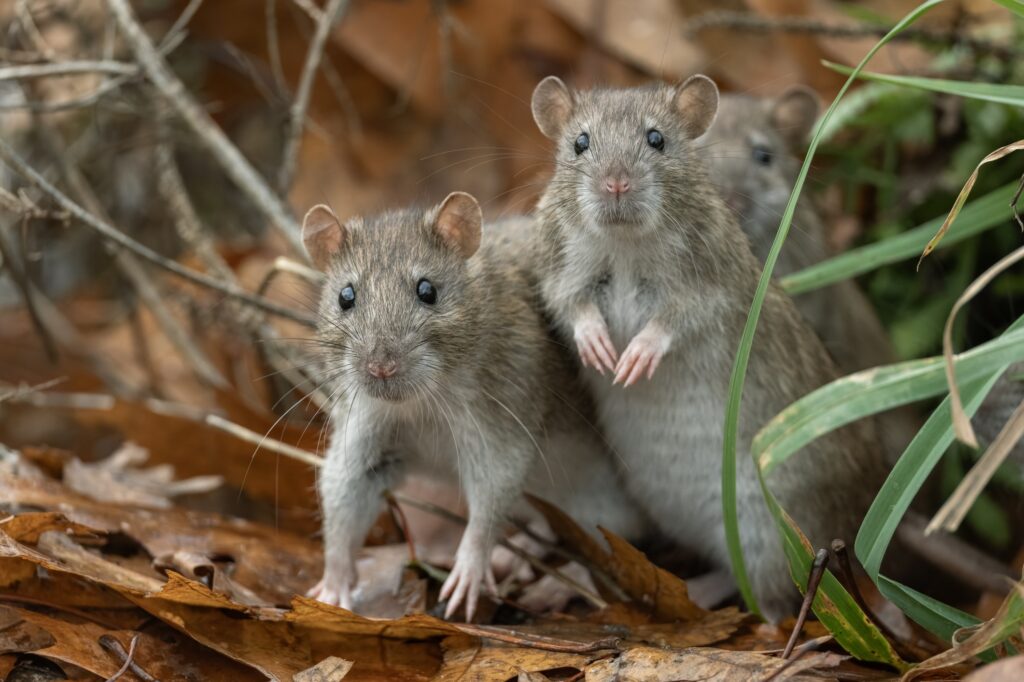
As temperatures begin to drop, common pests including rats, mice and squirrels increasingly move into homes in search of warmth ahead of winter.
More than 86,000 online searches for ‘pest control’ have been made in the UK in the past month alone, while searches for ‘pest control near me’ are up by 56% compared to last month.*
Rodents are able to enter the home through surprisingly small spaces, including gaps around pipework and doors, and through damaged vents.
To help prevent an infestation from taking hold, homeowners should ensure gaps around the home are sealed before the colder weather arrives.
It costs an average of £180 to deal with a rodent infestation in the UK, with exact prices depending on the size of the vermin problem and the treatment method used.**
However, rodents can cause damage that pushes costs much higher. Many insurers are unlikely to cover rodent damage, because an infestation is likely to be treated as a maintenance issue rather than an unforeseen risk.
Rodents can also cause damage to electrical wiring, and if this leads to faults or fires that require extensive rewiring, owners of a three-bedroom house could be looking at costs starting from £4,450.***
Gnawed pipework and torn insulation are other common problems caused by rodents, potentially leaving property owners to deal with water damage and reduced energy efficiency.
Homeowners are also encouraged to check the roofline as autumn approaches. Squirrels become particularly active in autumn as they prepare for winter, and may seek shelter in loft spaces as the temperatures drop.
As well as having the ability to chew through electrical wiring and tear insulation, squirrels can cause damage to soffits and fascias, creating entry points for rainwater and turning a pest problem into an expensive repair. The average cost of fascia and soffit replacement for a small semi-detached house is £2,750 in the UK.****
Unlike pests that homeowners can spot scurrying around the property, woodworm presents a more hidden problem.
If left untreated, woodworm larvae can burrow into timber, potentially weakening floorboards, joists and roof timbers – homeowners are warned to look for signs such as fresh exit holes and bore dust in exposed timber. The average cost for professional woodworm treatment ranges from £500 – £1,000.*****
With pests posing a range of potential issues, homeowners are being urged to take preventative action now and make the most of the remaining lighter evenings to check the property for any damage.
Helen Rolph, home insurance expert at Quotezone.co.uk said: “Autumn can unfortunately bring a number of unwanted guests into our homes as pests seek somewhere warm and sheltered for winter.
“An infestation itself can be unpleasant and costly to deal with, but the damage that pests can cause to your roof, electrical wiring or pipework can become far more expensive down the line.
“Taking a few preventative steps now and ensuring the property is well maintained as we enter autumn can help to reduce the chances of pests making their way into your home before winter and can help protect your insurance.
“Start by sealing entry points. You can do this by using items like steel wool, wire mesh, or caulk for any gaps, cracks, and holes in walls, foundations, and around doors and windows.
“Avoid leaving rotting food in compost, clear garden debris where rats can nest, and trim back any trees or shrubs so branches aren’t close to the house, as this can provide an entry point into your roof space for rodents such as squirrels.
“It’s also worth checking exactly what your home insurance policy does and doesn’t cover in relation to pests as many standard policies typically won’t cover pest-related damage and are unlikely to cover claims if the property isn’t well looked after.”
Quotezone helps over four million customers every year to compare and find savings on all sorts of home essentials, such as home emergency cover and nonstandard home insurance.
Photo credit – iStock.com Andyworks
References:
*Search data taken from Glimpse on 14/09
**https://www.checkatrade.com/blog/cost-guides/rat-exterminator-cost/
***https://www.checkatrade.com/blog/cost-guides/rewire-house-cost/
****https://www.checkatrade.com/blog/cost-guides/fascia-soffit-guttering-replacement-cost/
*****https://www.checkatrade.com/blog/cost-guides/woodworm-treatment-cost/
This article is intended as generic information only and is not intended to apply to anybody’s specific circumstances, demands or needs. The views expressed are not intended to provide any financial service or to give any recommendation or advice. Products and services are only mentioned for illustrative rather than promotional purposes.