Tyre ‘birthday’ hack every driver should know
06/11/2026



Last Updated: 6 November 2026
Read time: 2 min
Expert: Greg Wilson
Founder, CEO & Insurance Expert
Author: Katie Gawley
Insurance PR Writer
Fact-checked by: QuoteZone Editorial Team
Written in line with our Editorial Guidelines
Motorists are being urged to check how old their tyres are ahead of the colder months, as experts reveal how a simple four-digit code shows when they were manufactured.
Car insurance experts at Quotezone.co.uk are highlighting a simple tyre ‘birthday’ hack that helps drivers check when their tyres were made and assess whether they may need replacing.
As temperatures drop and wet weather sets in, now is the time for drivers to make sure their tyres are in good condition and ready to cope with potentially hazardous roads.
The experts warn that drivers caught with defective tyres could face fines of up to £2,500 and three penalty points per tyre, meaning a full set of unsafe tyres could result in £10,000 in fines.*
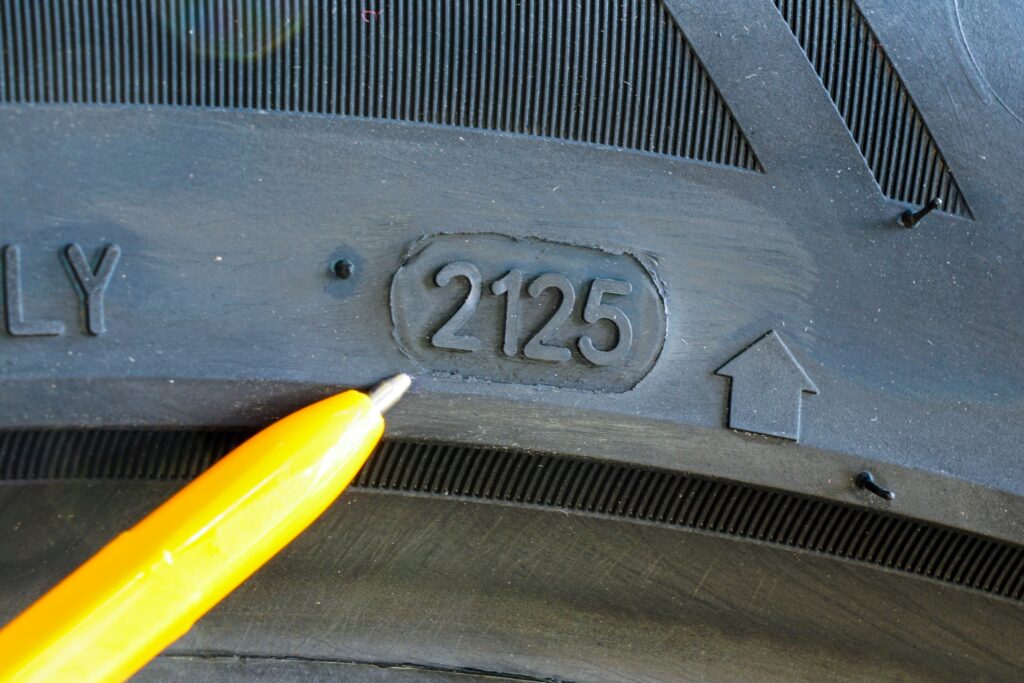
Every tyre has a four-digit date code stamped on its sidewall, usually found at the end of the tyre identification markings.
The first two digits indicate the week the tyre was manufactured, while the last two show the year. For example, a tyre marked 3526 was manufactured in the 35th week of 2026, meaning it was made between late August and early September this year.
This simple check gives drivers an idea of how old their tyres are, even if the tread still looks in good condition.
On average, car tyres last about three to five years, or 20,000 to 40,000 miles – front tyres usually wear out faster, lasting around 20,000 miles.** However, it will also depend on how they are driven and in what conditions.
After five years of use, it’s recommended to get the tyres checked by a professional at least once a year, and if they reach the 10-year threshold, they should be replaced as a precaution.***
The legal minimum tread depth for car tyres in the UK is 1.6mm across the middle three-quarters of the tyre. Most tyres also have built-in wear indicators – small raised bars in the grooves that show when the tread has worn down to the legal limit.***
If the tread is level with these bars, the tyre needs replacing. However, drivers should consider replacing them before they reach the legal minimum, as deeper tread can help maintain grip on wet and slippery roads.
Cold temperatures can also cause tyre pressures to drop, so motorists should check them regularly when the tyres are cold and follow the manufacturer’s recommended settings.
Greg Wilson, CEO and car insurance expert at Quotezone.co.uk, said: “As the cold and wet weather sets in, it’s important for drivers to give their tyres a little extra attention.
“While many motorists know to check their tread depth, not everyone realises that the four-digit code on a tyre reveals when it was manufactured. It’s a quick and easy way to check the tyres’ ‘birthday’ and get a better idea of their age.
“Knowing how old the tyres are is important because rubber can deteriorate over time, even if the tread still looks fine.
“Older tyres may be more prone to cracking and other damage, so checking their age as well as their overall condition can help drivers spot issues before they become a problem.”
Quotezone.co.uk’s top tips for checking tyres ahead of colder months:
1.Check your tyre ‘birthday’
Look for the four-digit date code on the sidewall of each tyre. The first two digits show the week of manufacture, while the last two indicate the year. If the tyres have over five years of use, it’s recommended to get them professionally checked at least once a year, and if they reach the 10-year mark, they should be replaced as a precaution.
2.Check the tread depth
The legal minimum tread depth for cars in the UK is 1.6mm across the central three-quarters of the tyre, around its entire circumference. You can double-check by placing a 20 pence piece into the main grooves of the tyre in several places. If the outer band of the coin is visible, you’ll need to get the tyre checked. Deeper tread can help tyres maintain grip, so it’s worth considering replacing tyres before they reach the legal limit.
3.Keep tyre pressures topped up
Cold temperatures can cause tyre pressures to drop, potentially affecting handling, braking and fuel efficiency. Check your tyre pressures regularly when the tyres are cold and follow the manufacturer’s recommended settings – which can usually be found in the vehicle handbook or on a sticker inside the driver’s door.
4.Check for damage
Inspect all four tyres for cuts, cracks, bulges or other signs of deterioration. Older tyres may be more prone to damage, so pay particular attention to their condition. If you spot anything unusual or are unsure whether a tyre is safe, seek advice from a tyre professional.
5.Adapt your driving to weather conditions
Even tyres in good condition can’t eliminate the risks posed by icy roads or heavy rain. In these conditions, make sure to reduce speed, leave a greater distance between your vehicle and the one in front – and brake, accelerate and steer smoothly to help maintain control.
6.Tyres on EVs tend to wear out faster
Tyres on EVs are estimated to wear out up to 20% faster, given the increased battery weight and instant torque of electric vehicles, so it’s good to be aware and check regularly, especially if this is your first EV.****
As a price comparison site, Quotezone helps drivers compare and find savings on their car insurance – helping over 4 million customers every year.
References:
*https://www.gov.uk/check-vehicle-safe / https://www.tyresafe.org/tyre-advice/tyres-and-the-law/
**https://www.point-s.co.uk/advice/tyre-advice/how-long-do-tyres-last / https://www.autodoc.co.uk/info/average-tyre-lifespan
***https://www.michelin.co.uk/auto/advice/change-tyres/how-long-do-tyres-last
****https://news.michelin.co.uk/articles/the-new-demands-of-ev-cars-on-tyres-and-how-michelin-has-made-its-tyres-ev-suitable
Phot credit – iStock.com Zigmunds Dizgalvis
This article is intended as generic information only and is not intended to apply to anybody’s specific circumstances, demands or needs. The views expressed are not intended to provide any financial service or to give any recommendation or advice. Products and services are only mentioned for illustrative rather than promotional purposes.